
XMind Pro 26.04.01337 (Mac)
Updated




The catalogue note
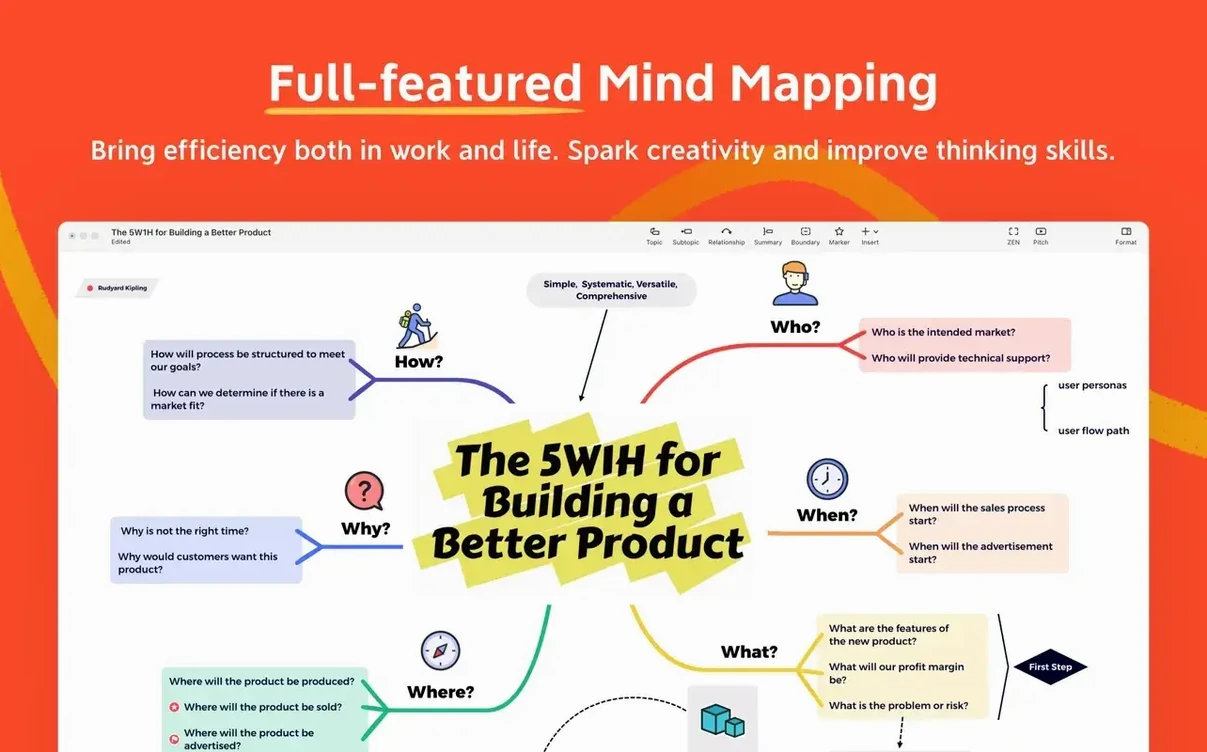
The table view is where I often start — it forces a linear structure before branching out. Xmind Pro handles that transition well: you type a list, then switch to a mind map or a logic chart without losing the hierarchy. It also opens FreeMind files natively, which matters if you collaborate with people who haven't moved on from the old standard.
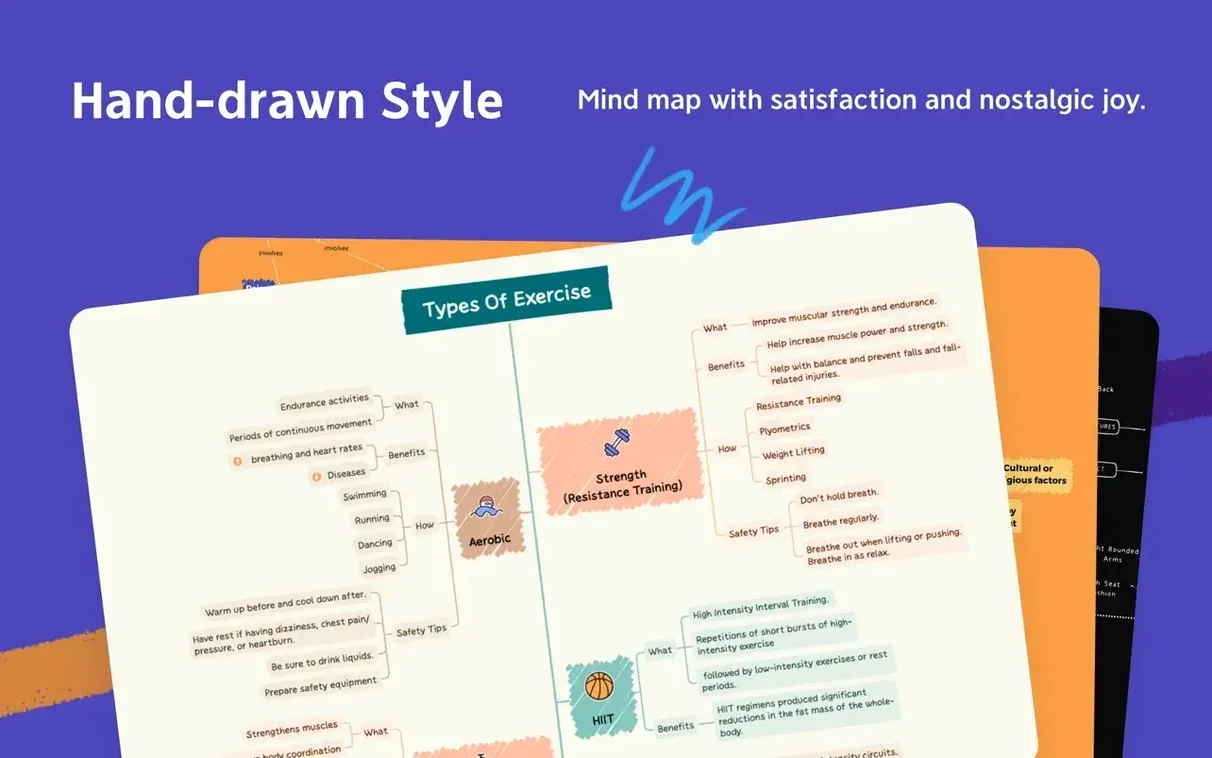
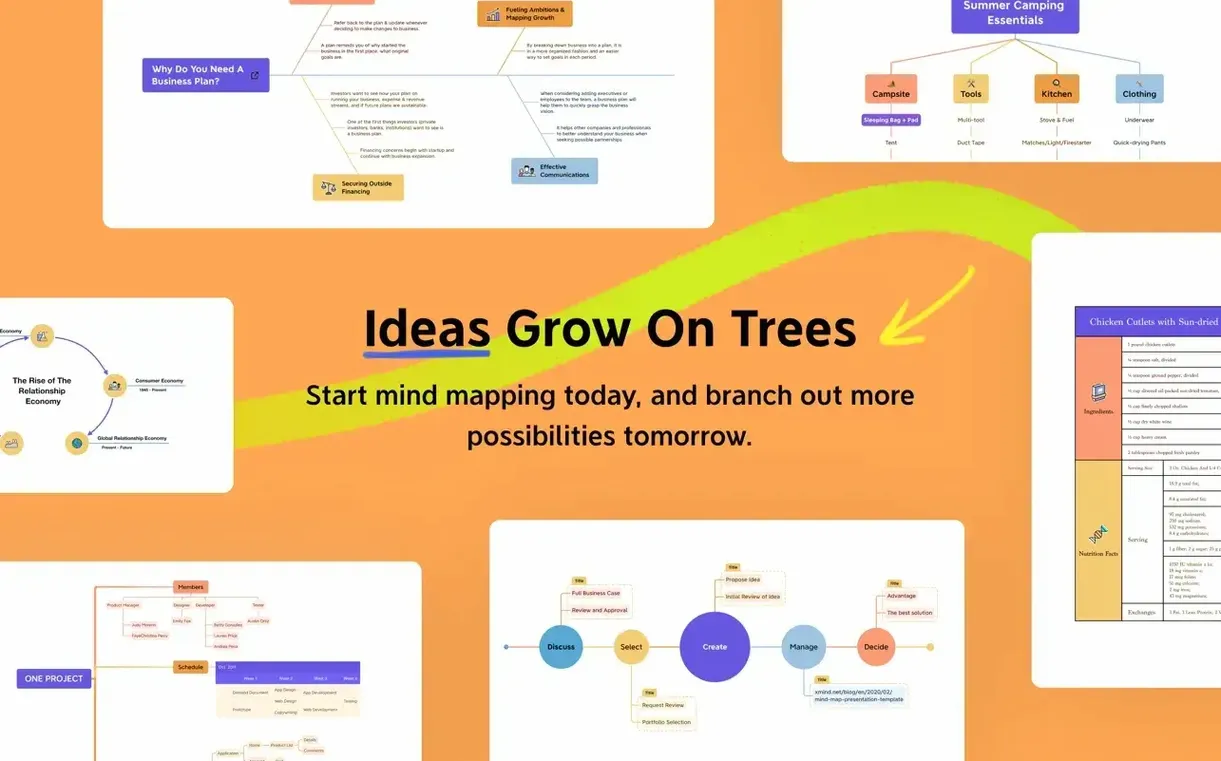
Beyond mind maps, the app includes Ishikawa diagrams for root-cause work and tree diagrams for org charts or decision trees. The interface stays out of the way once you learn the keyboard shortcuts; the default theme is clean and legible. It runs on macOS 11 and later, both Intel and Apple Silicon, so it works on a Mac Studio or a 2019 MacBook Pro without thinking about it.
I keep Xmind open in a corner of the screen during mixing sessions — quick structure for track grouping or session notes before they become a mess of sticky notes. For a Mac user who already uses a dozen specialised tools, this one fills the gap between a text editor and a whiteboard.
Suits project managers and consultants living in Gantt charts and meeting notes
Xmind Pro suits anyone whose work involves organising thoughts before executing them. The obvious audience is project managers and consultants who live in Gantt charts and meeting notes, but the app's real strength shows for people who work across multiple tools and need a fast capture layer.
Writers and content planners benefit from the logic chart and tree diagram views — a blog outline or a chapter structure maps naturally to a tree, and switching to a table view later helps with timeline planning. Researchers and students handling knowledge management get the FreeMind compatibility and the ability to export structured maps for reference. For developers and system architects, the Ishikawa diagram mode offers a clean way to trace failure causes or map dependencies without opening a dedicated diagramming app.
Mac users who already run tools like OmniFocus, Bear or Notion will find Xmind sits between them: faster than a full project manager for initial brainstorming, more structured than a text file for later reference.
A real-world scenario: meeting prep for a producer
I work with a producer who organises podcast episodes using Xmind. Before a recording session, she opens a blank map, drops the episode theme in the centre, and branches out into segments: intro, guest background, main discussion points, sponsor reads, outro. Each branch gets notes, timestamps and a colour tag. When the guest sends a topic list, she pastes it into a table view, converts it to a mind map, and adjusts the order.
After the session, the map becomes the show notes draft — she exports it as a text outline and drops it into the editing software's marker track. The whole cycle takes less time than switching between a text editor and a whiteboard app, and the map stays editable for future episodes with the same guest.
Runs on macOS 11 or later, on Apple Silicon and Intel 64-bit Macs
Xmind Pro requires macOS 11 or later and runs on both Apple Silicon and Intel 64-bit Macs. That covers everything from a 2020 M1 MacBook Air to a 2019 Intel iMac. The app is distributed as a standard disk image — you open it, drag the app to Applications, and launch from Launchpad. No additional runtimes or plugin hosts are needed.
Interface languages include English, German, French, Spanish, Italian, Portuguese, Russian, Japanese, Korean, Thai, Indonesian, and both Simplified and Traditional Chinese. The activation method used in this build is handled by the K'ed release team; the app itself does not phone home for licence checks once installed.
Opens FreeMind files natively and supports drag-and-drop copy-paste
Xmind opens FreeMind files natively, which means you can import maps from colleagues who still use the older tool. The app also supports standard copy-paste between maps and other macOS apps — you can drag a node's text into an email, a Notes document or a Slack message without reformatting.
On macOS, the app works well with Mission Control and Stage Manager: you can keep Xmind in one desktop space and switch to a browser or a DAW without losing your place. The menu bar integration is minimal — no background processes or system extensions — so it doesn't interfere with audio tools or other resource-sensitive software. For users who prefer a search-driven workflow, Spotlight indexes the app's map files if you save them in the default location.
If you work with a team, the collaboration feature lets multiple users edit the same map simultaneously, which is useful for remote brainstorming sessions or sprint planning. The app is available on iOS and iPadOS as well, so maps sync across devices if you use the same cloud storage service.
Before it goes on the Mac
- macOS 11 or later
- Apple Silicon or Intel 64-bit
Questions from the room
Does Xmind support FreeMind files?
Yes, Xmind is compatible with FreeMind, so you can open and work with existing .mm files directly.
What diagram types are available in Xmind?
The app supports mind maps, Ishikawa diagrams, tree diagrams, logic charts, and tables.
Which macOS versions and processors does Xmind require?
Xmind requires macOS 11 or later and runs on both Apple Silicon and Intel 64-bit Macs.
Installing it on the Mac
- Open the downloaded disk image.
- Drag the app to the Applications folder.
- After copying finishes, launch the app from Launchpad.
Notes from the control room
Sign in or open a catalogue account to leave a note.
No notes from the room yet. If you have used this build for a week, a short note helps the next person.