
Home › Games › Karate Survivor

Karate Survivor 1.1.0 (Mac)
Updated
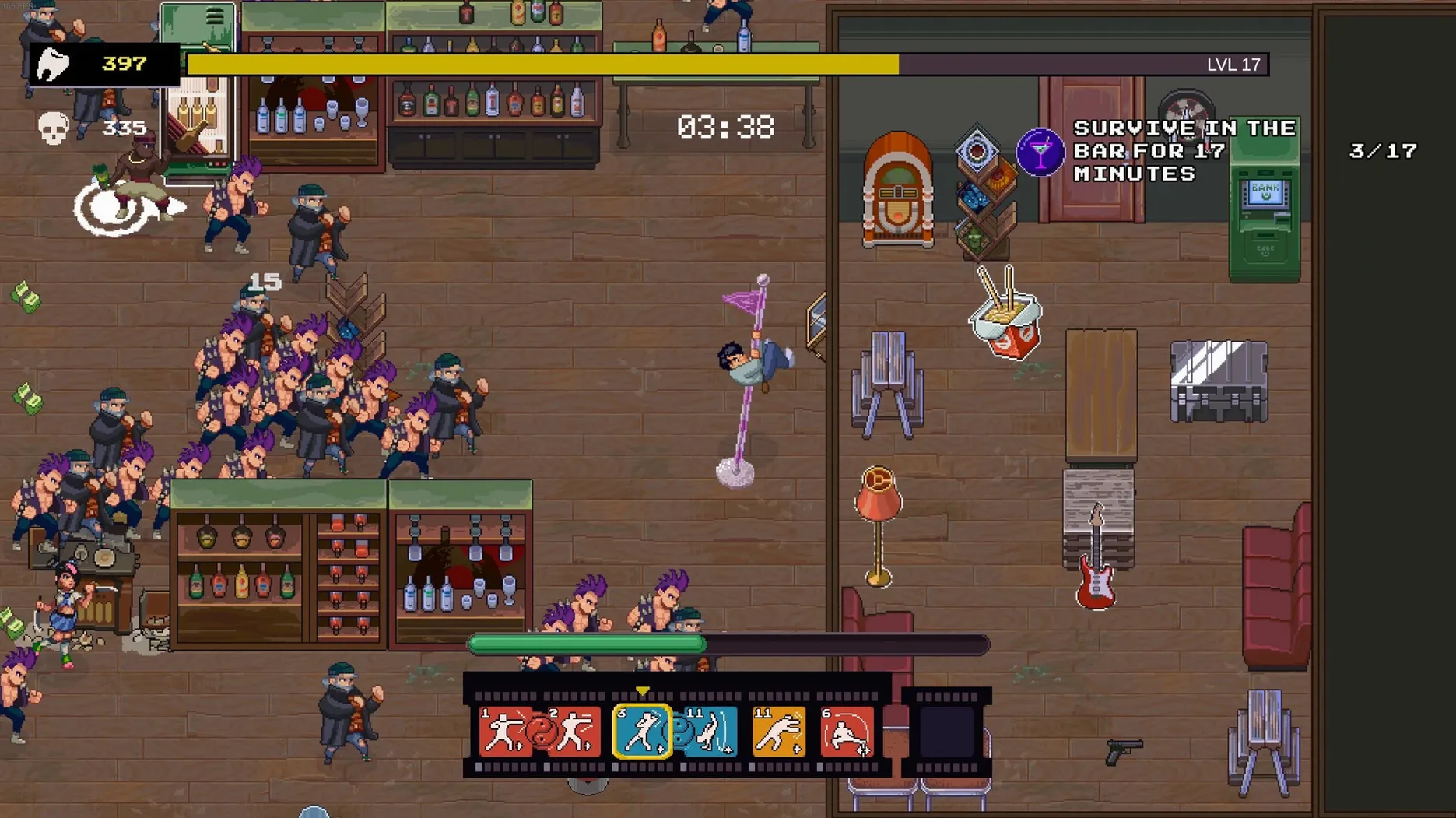
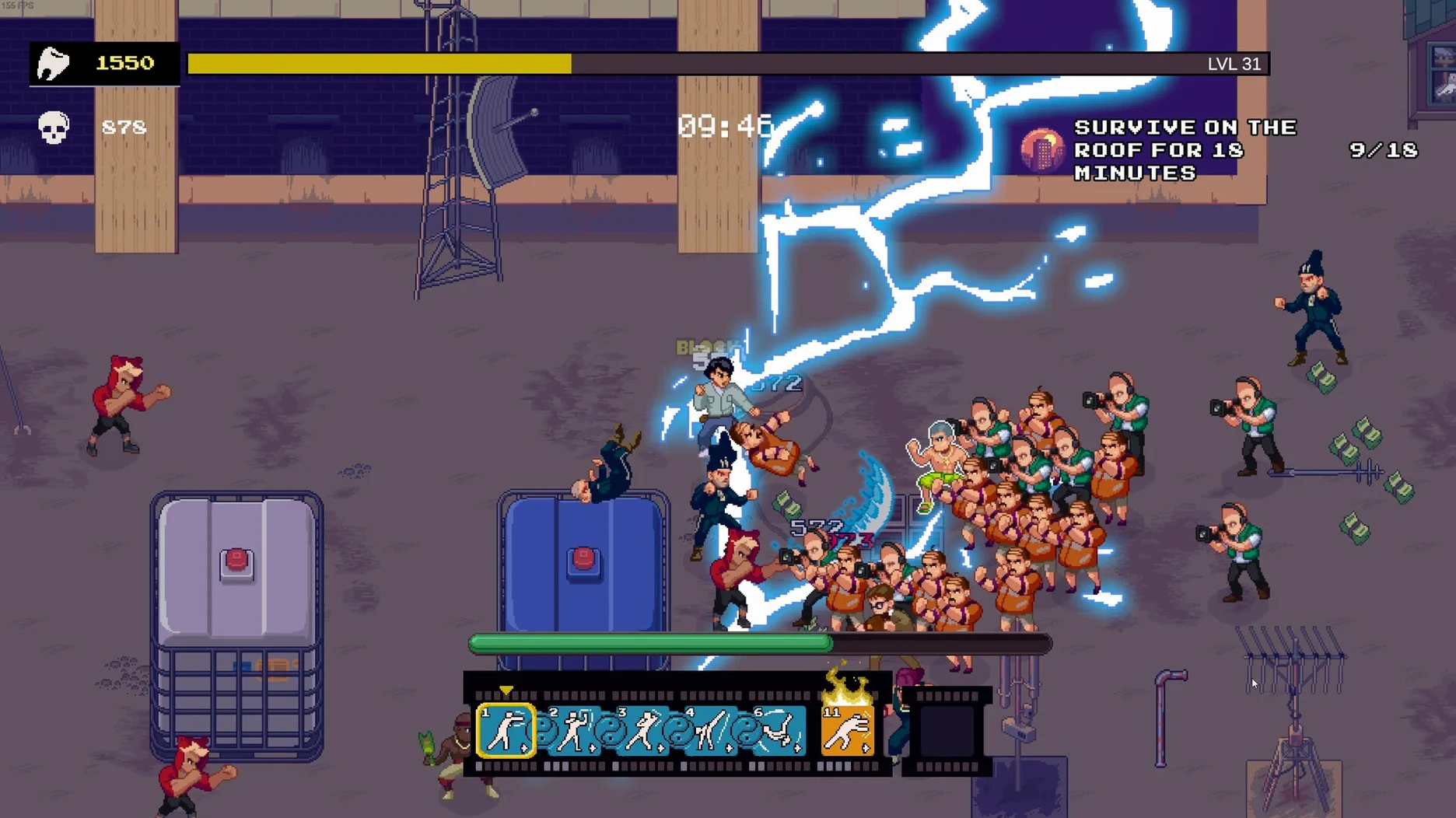
The catalogue note
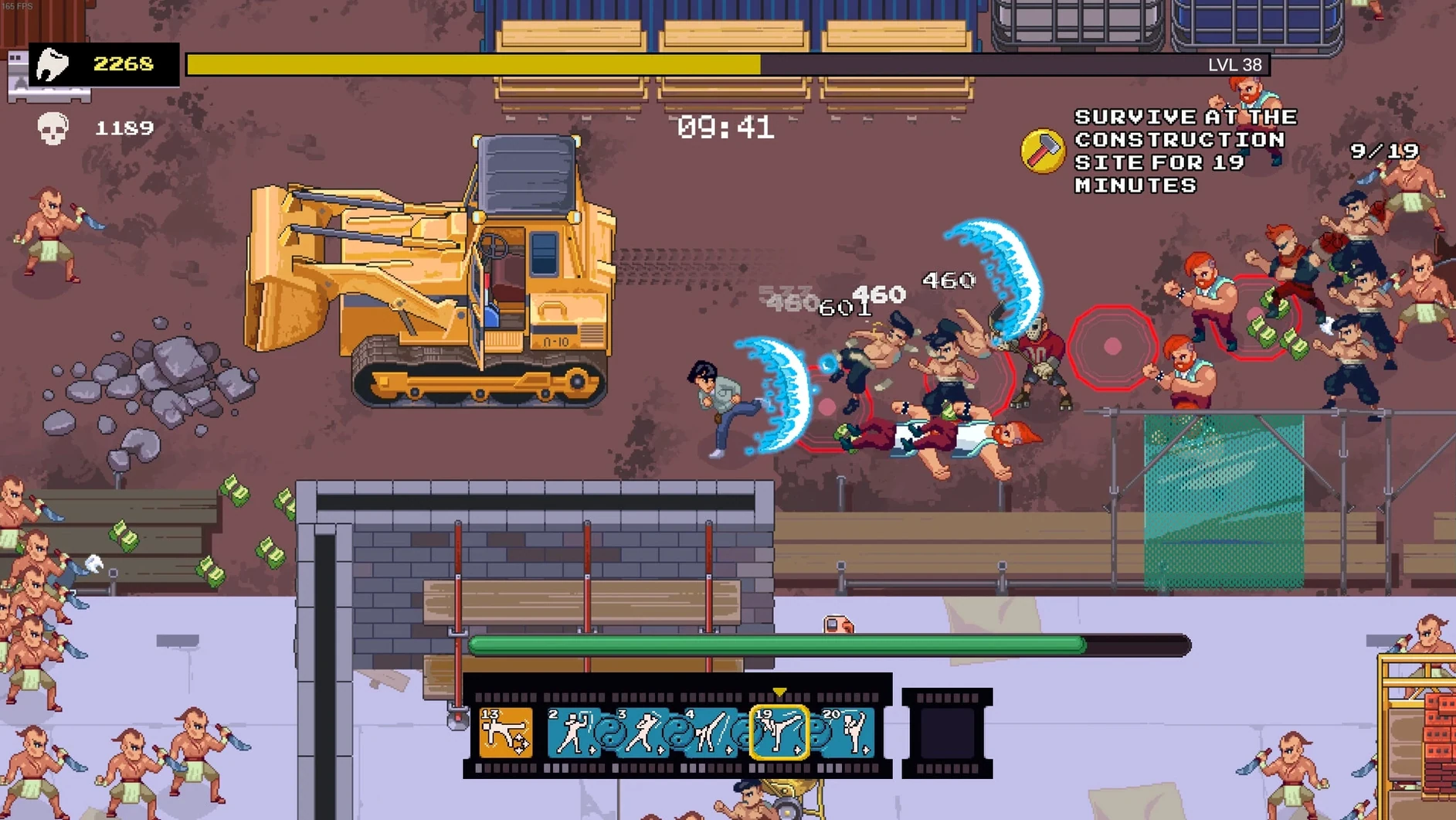
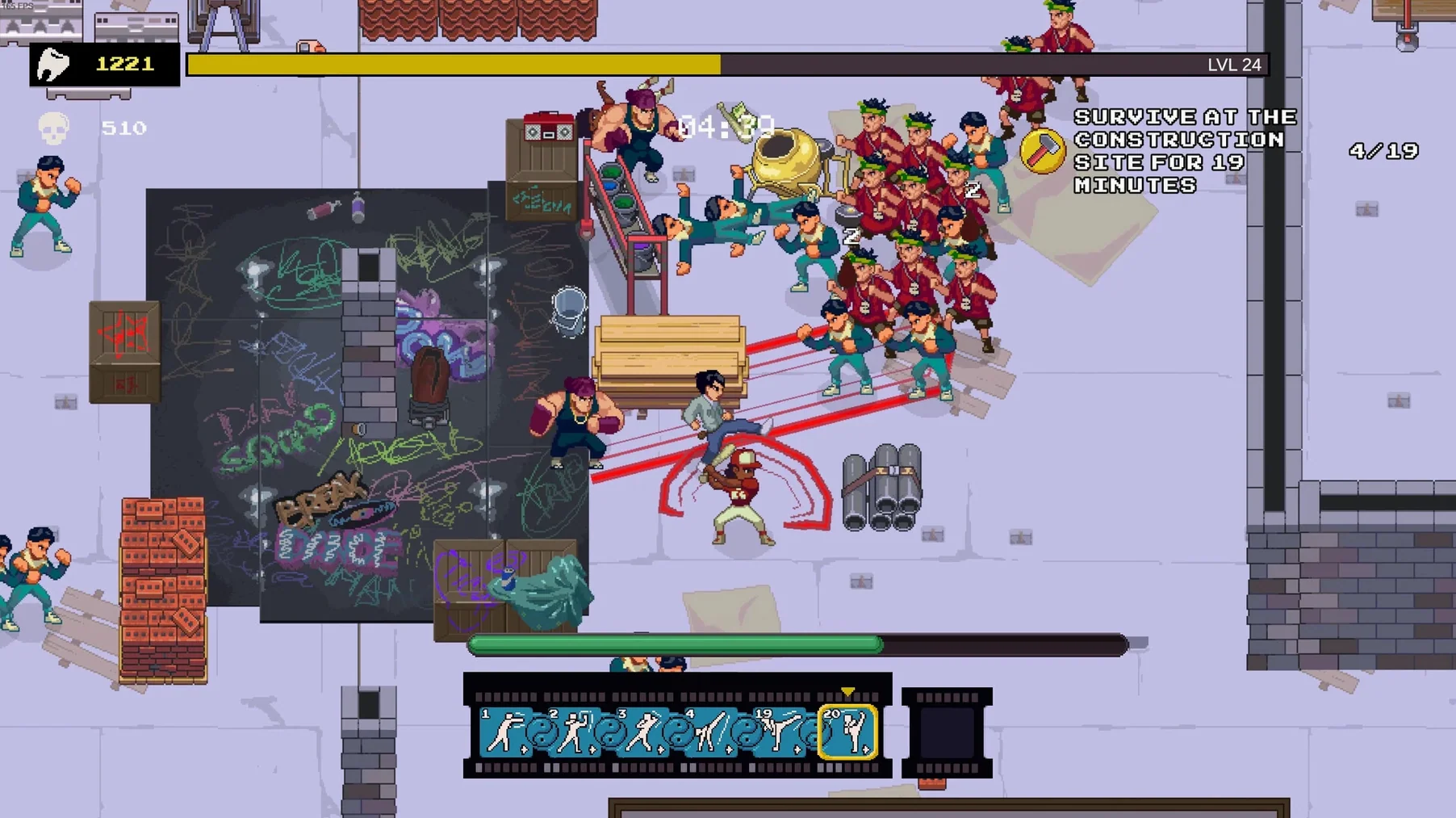
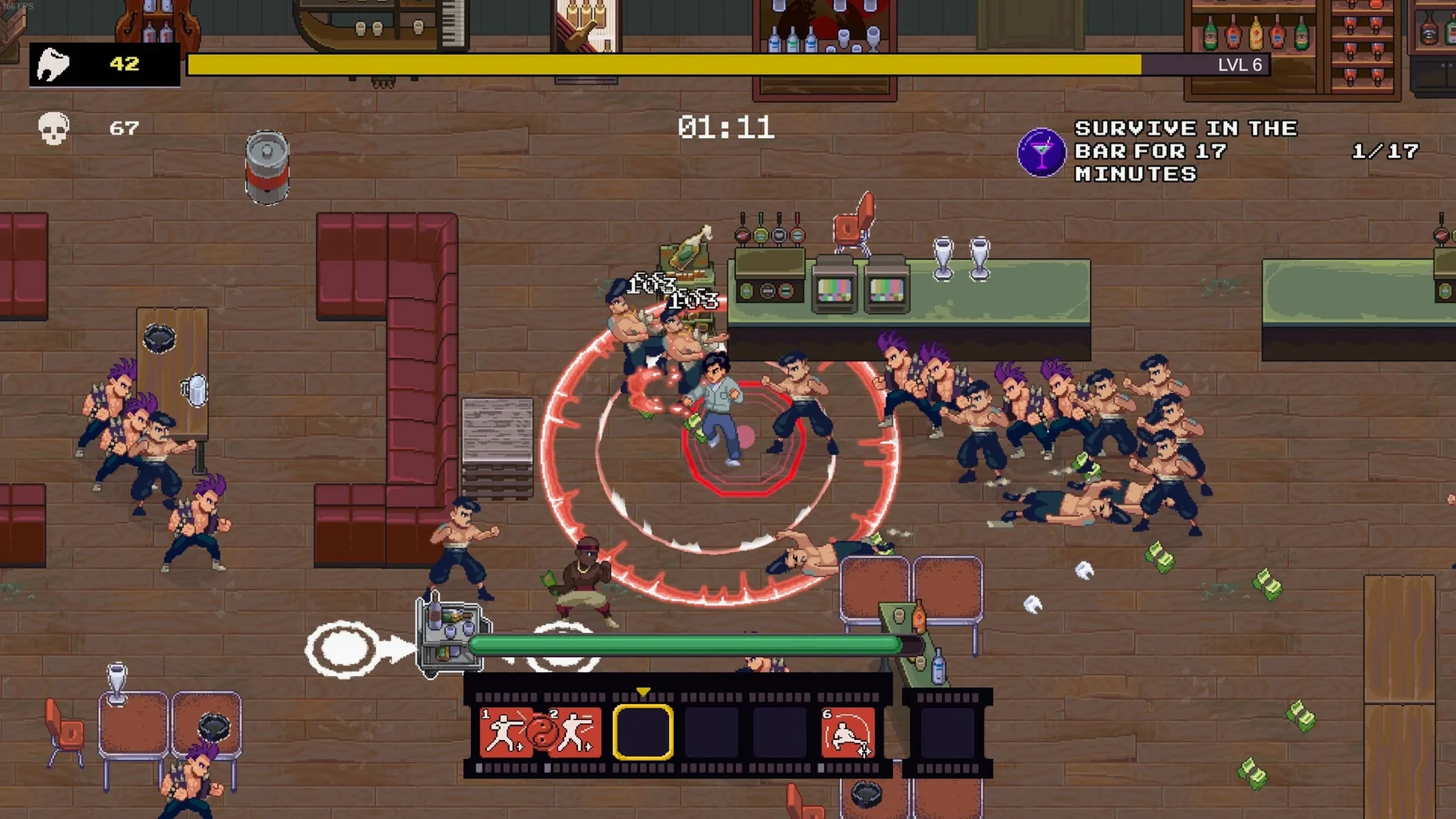
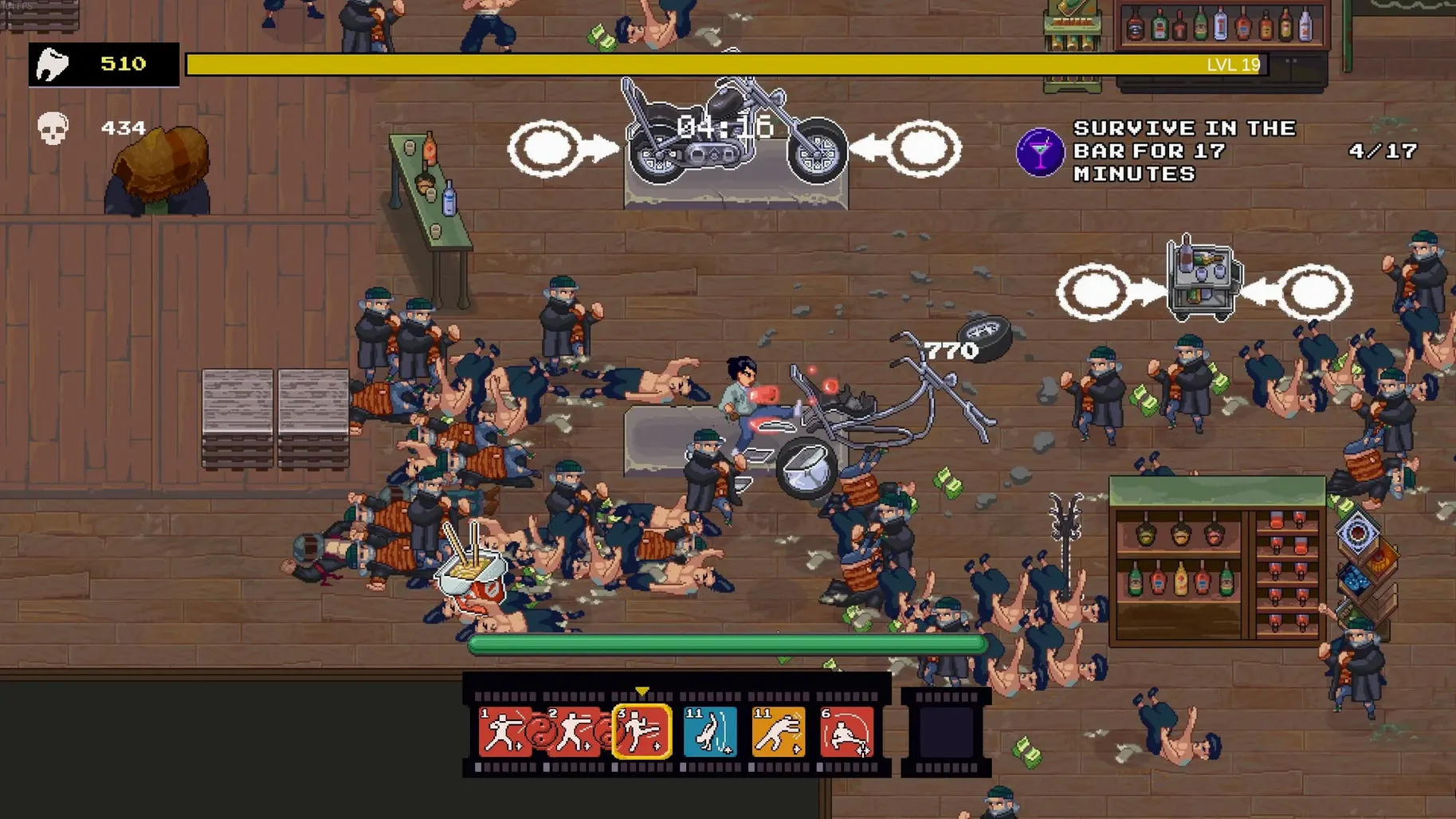
Six-step combo chains sit at the core of Karate Survivor, a Mac-only action roguelite where street fights are less about clean technique and more about using whatever the environment offers. Each run drops you into a different location with its own improvised weapons and a boss that fits the setting. Death is not the end – experience carries over, unlocking permanent moves and skills that make the next attempt a little less painful.
| Detail | Value |
|---|---|
| Developer | Alawar |
| Current version | 1.1.0.33 |
| Category | Games |
| macOS requirement | 10.16.0 or later |
| Architecture | Intel and Apple Silicon |
| Interface languages | 12, incl. English, Polish, Japanese |
If you are after a karate survivor for mac free download, the build runs on macOS Sequoia on an M1 MacBook Air from 2020, so it should feel at home on most recent hardware. The audio side is modest – music only, with voice and language options set separately. It is a compact package, but the loop of short fights and permanent growth keeps it interesting.
Planning a first run: a quick workflow
Start by mounting the downloaded disk image and dragging the application to your Applications folder. Launch Karate Survivor and pick one of the available languages from the opening menu – the list covers a dozen options including Russian, English, Polish and Japanese. Once you are past the title screen, you choose a location. Each district offers a different set of improvised weapons and a boss that fits the neighbourhood. For the first attempt, pick whichever area sounds most straightforward; the differences in difficulty are modest early on.
The combat controls are simple enough to learn in a few seconds. You move your character with the keyboard, attack with a dedicated key, and interact with objects in the environment. The game prompts you when a weapon or item is within reach. Focus on learning the six-step combo chain during the first few fights. Each successful hit in the chain increases damage output, so it pays to commit the timing to muscle memory early. When you die – and you will – the experience you earned goes into a permanent skill tree. Spend those points on moves or stat upgrades before starting the next run. Repeat: fight, die, upgrade, fight again. The loop is short, usually a few minutes per attempt, which makes it easy to run several sessions in a row without feeling like you have wasted time.
Streets of Rogue offers more chaos than combo-based combat
Mac users looking for a survivor-like roguelite have a few options. Streets of Rogue offers a different flavour: it is more about player choice and systemic chaos than combo-based combat. You can talk your way through problems, hack terminals, or cause distractions. Karate Survivor strips that complexity away and focuses entirely on direct physical confrontation and environmental weapons. The combo system is something Streets of Rogue does not have at all – its combat is functional but never rhythmic.
Its combat is fluid and precise, but the learning curve is steeper because you manage weapons, skills, mutations and map routes simultaneously. Karate Survivor is narrower: fewer systems, shorter runs, less to remember between attempts. If Dead Cells demands that you learn the layout of an entire island, Karate Survivor asks only that you learn a single district and a six-step combo. The permanent upgrades in Karate Survivor are also simpler – they unlock moves and stats rather than new weapons or abilities tied to specific biomes.
Vampire Survivors is the obvious survivor-like ancestor, but its Mac version arrived later and still feels like a port. The combat is entirely automated once you pick your weapons and upgrades – you just move the character. Karate Survivor requires manual combo execution, which gives you more direct control over each fight. The trade-off is that you cannot rely on passive damage alone; you have to time your attacks and position yourself carefully. For players who find Vampire Survivors too hands-off, Karate Survivor is a welcome middle ground.
It runs on both Intel and Apple Silicon Macs
Will this run on an Intel Mac? Yes. The game supports both ARM and x86 64-bit architectures. It was tested on an M1 MacBook Air, but the x86 build should work on any Intel Mac running macOS 10.16.0 or later. If you are on an older macOS version, check the requirement before downloading.
Do I need a controller? No. Keyboard and mouse or trackpad work fine. The controls are simple enough that a keyboard is all you need. That said, the game does not require a gamepad, and there is no benefit to using one unless you already prefer it for other action games.
How long does a typical run last? A few minutes. Each run is short by design, so you can fit several attempts into a short session. The permanent upgrades mean that even a failed run moves you forward.
Is there any story or dialogue? The game is light on narrative. It is inspired by 1980s action films, but the focus is on the fights, not the plot. You get a setting, a boss and a combo system – that is about it. If you need a story to stay engaged, this may not hold your attention.
Does it save progress automatically? Yes. Permanent upgrades are saved between runs. There is no manual save option, but the game writes your progress automatically after each death or successful boss defeat.
Spend your first runs learning combo timing, not chasing the boss
- Spend your first few runs ignoring the boss. Focus on learning the combo timing and understanding which environmental objects work as weapons. A crate, a pipe, a bottle – each behaves differently. Try them all.
- Prioritise the permanent move unlocks over stat upgrades early on. A new move changes how you approach fights; a small stat boost does not. You can fill out the stat tree later when you have a better feel for your play style.
- Switch locations after a few deaths. Each district has its own set of weapons and a unique boss. You will learn the game faster by seeing different environments than by grinding the same street over and over.
- Watch the enemy patterns before you commit to a combo. The six-step chain requires uninterrupted execution. If you start it while surrounded, you will likely take damage before you finish. Wait for an opening.
- Use the environment defensively as well. Walls, corners and obstacles can block enemy approaches. You do not always have to stand in the open. Moving behind a barrier mid-fight gives you a second to breathe and reset your combo timer.
- Do not be afraid to restart a run that goes badly. The runs are short, and the only thing you lose is a few minutes. Starting fresh with a clear head is often better than trying to salvage a run where you have already lost most of your health.
Before it goes on the Mac
- macOS 10.16.0 or later
- Intel or Apple Silicon
Questions from the room
Does Karate Survivor support both Intel and Apple Silicon Macs?
Yes, the game runs on both architectures. It requires macOS 10.16.0 or later.
Installing it on the Mac
- Mount the downloaded disk image.
- Run the standard installer.
- Choose the installation location when prompted.
- Use the Applications folder if recommended.
Notes from the control room
Sign in or open a catalogue account to leave a note.
No notes from the room yet. If you have used this build for a week, a short note helps the next person.