
Nova Roma 0.7.2988 (Mac)
Updated
The catalogue note
Nova Roma runs on both Apple Silicon and Intel Macs. The current build, version 0.7.2703, was tested on a Mac mini 2024 M4 under macOS Tahoe, so the Apple Silicon path is well worn. Intel users are covered too — the macOS build ships with both architectures.
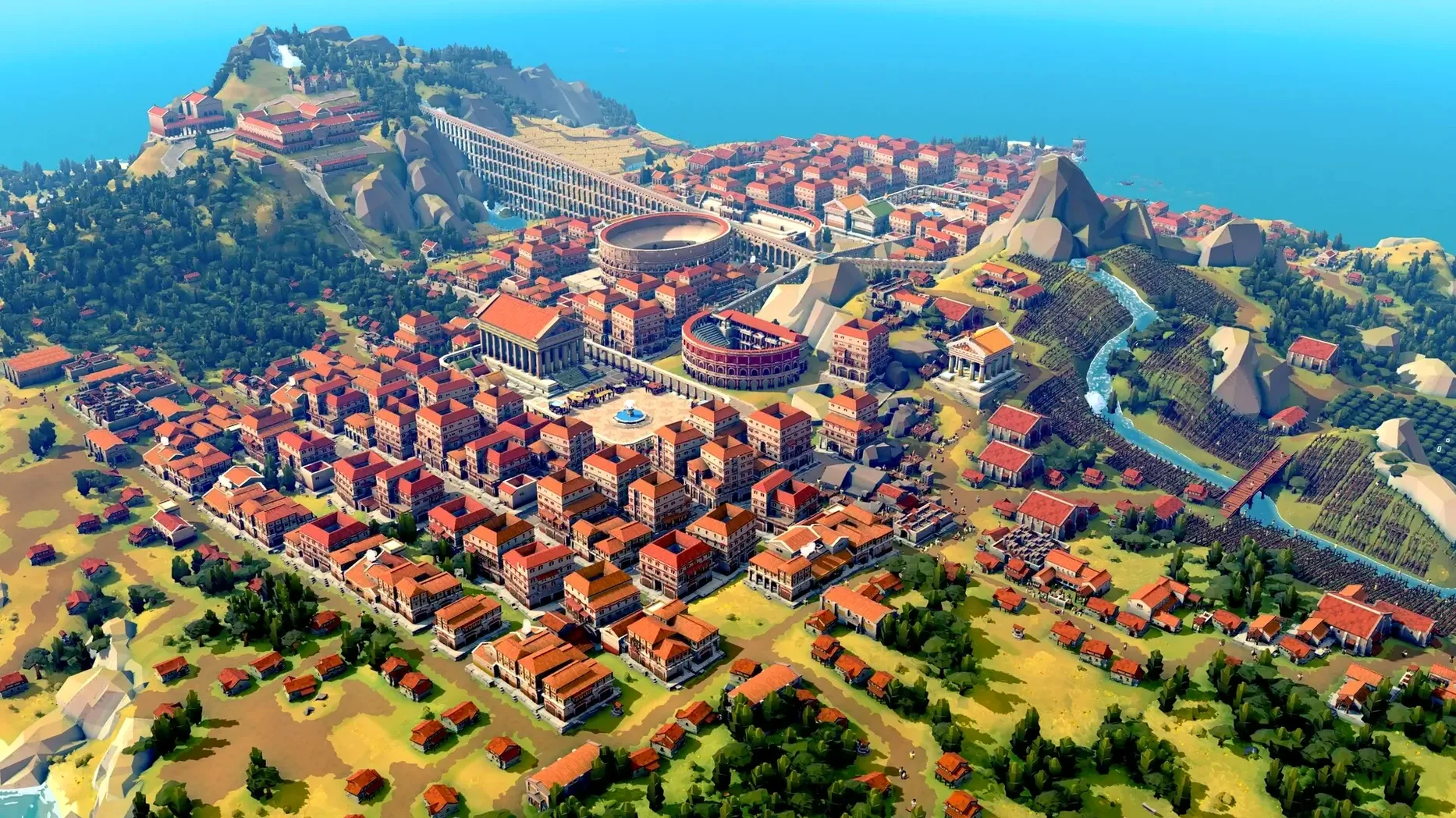
A full city-builder set in ancient Rome, starting from a small village
- A full city-builder set in ancient Rome, starting from a small village.
- Citizen management: laws, supply chains, and the needs of the people.
- Divine favour as a resource — keep the gods happy or face the consequences.
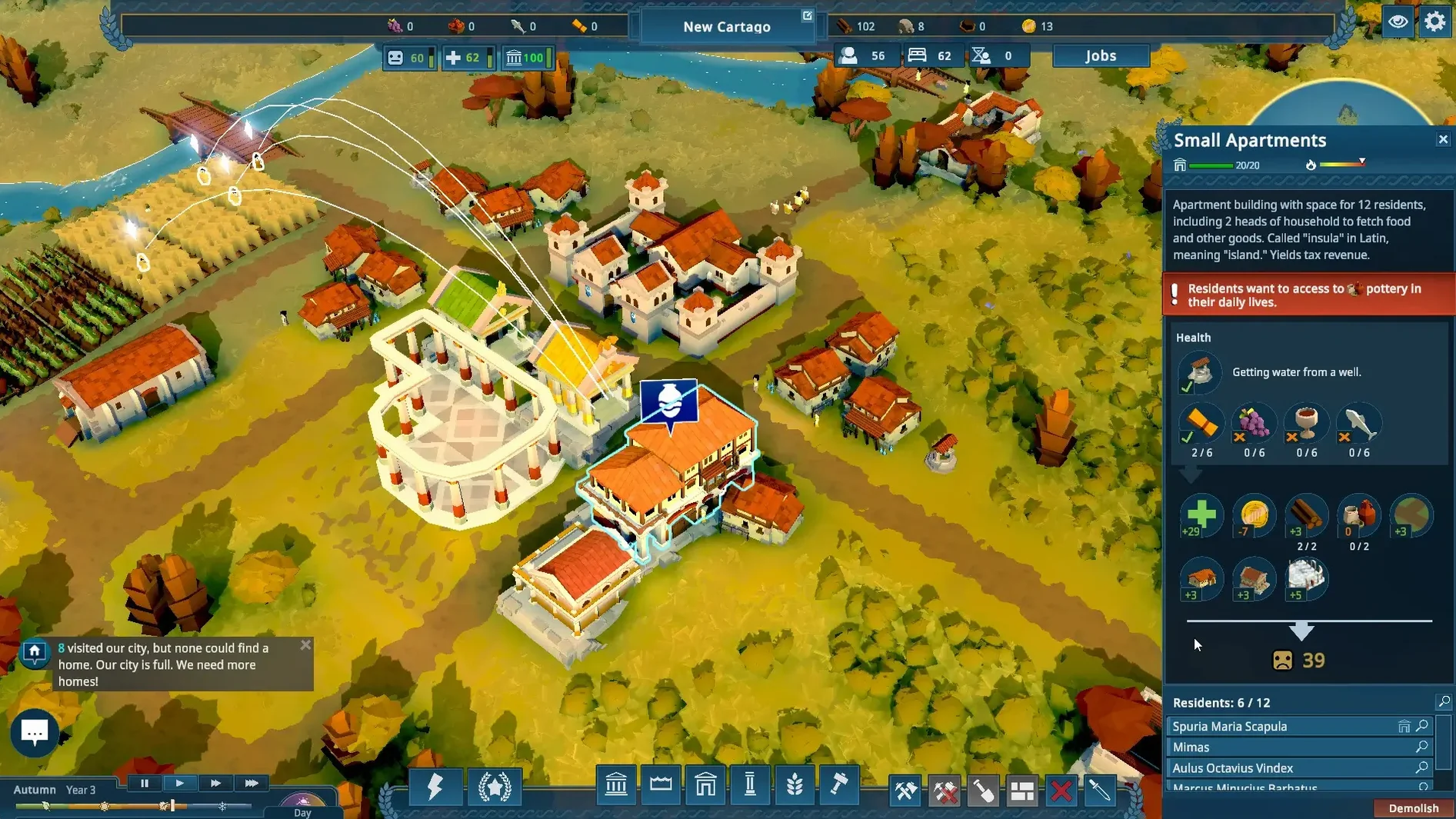
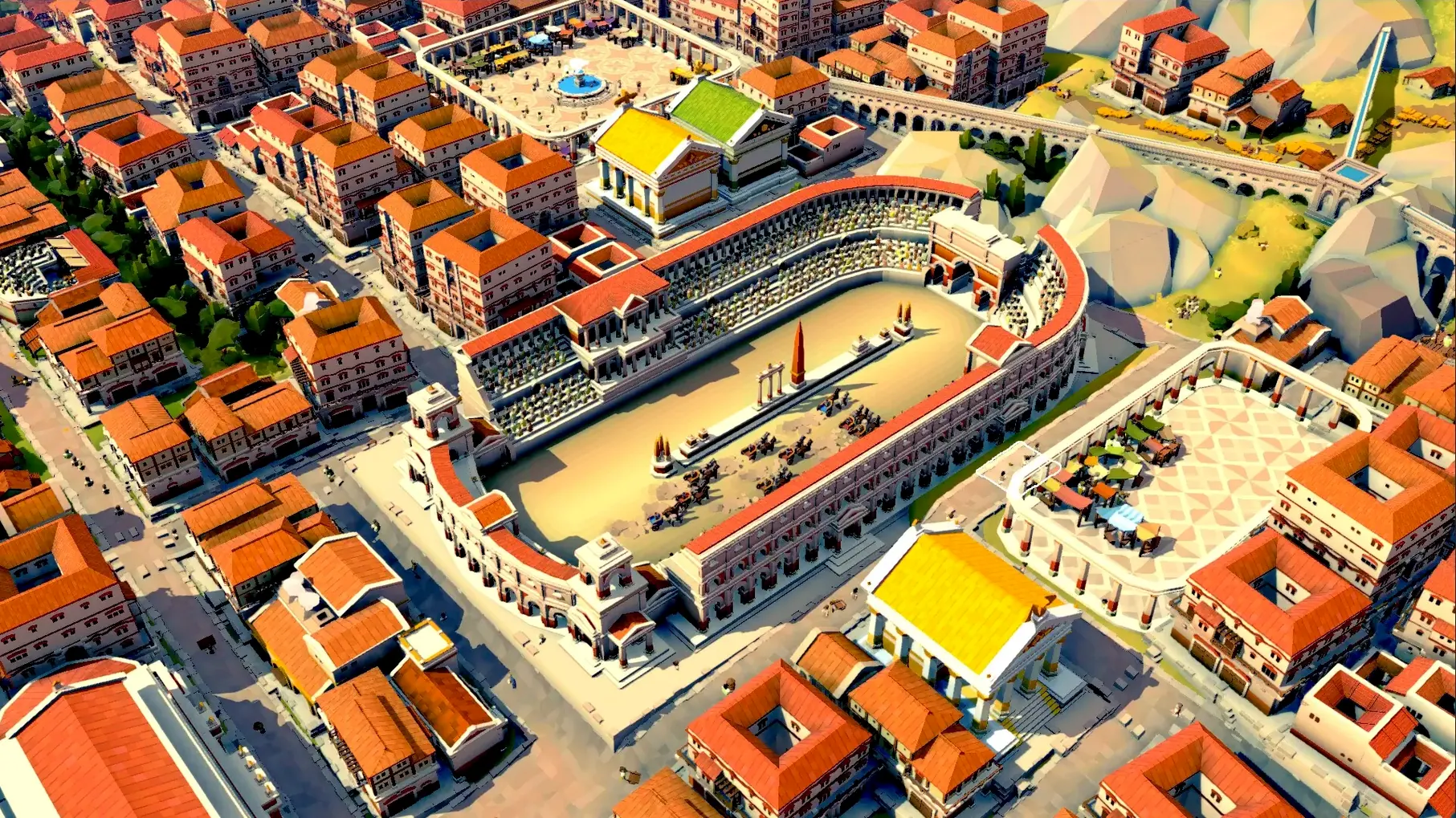
- Specialised workers: gladiators, craftsmen, and actors, each with their own buildings and demands.
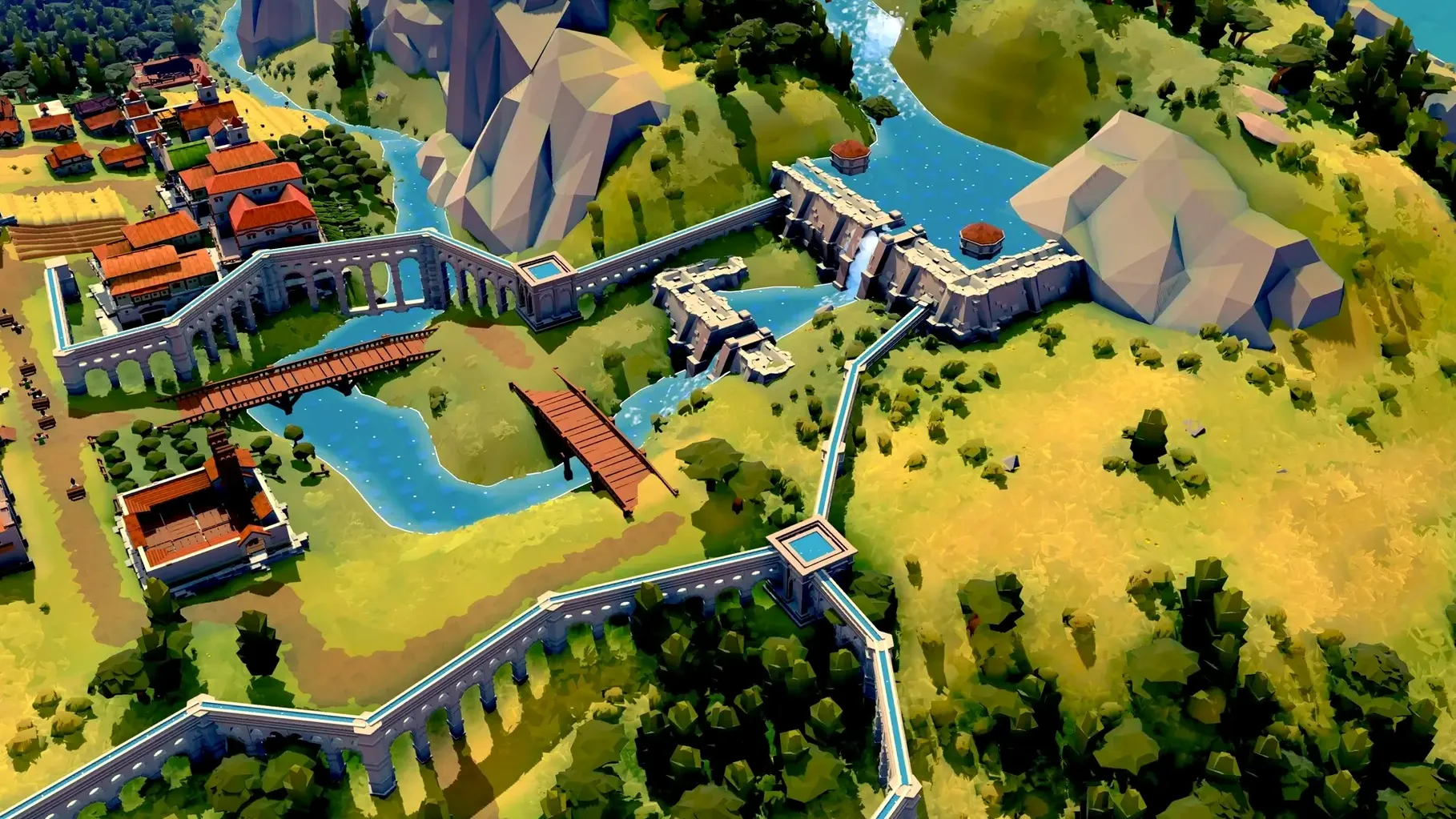
- Water infrastructure, including dams and aqueducts, to keep the city alive.
- Localisation in 16 languages, from English and Polish to Japanese and Turkish.
Balancing competing pressures like laws, supply chains, and divine favour
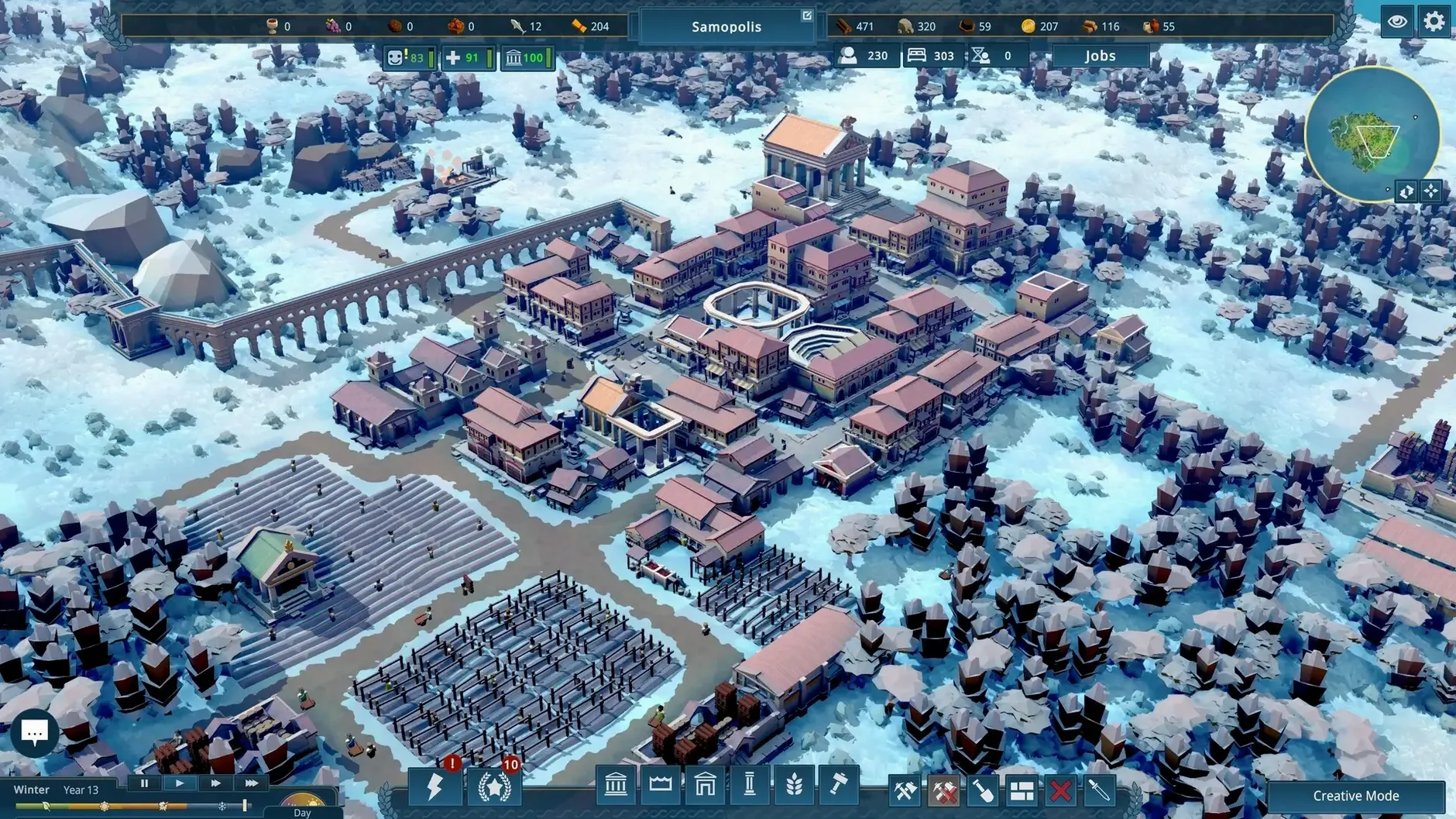
Nova Roma is less about painting pretty districts and more about balancing competing pressures. You manage laws that affect citizen behaviour, keep supply chains moving, and watch the gods' approval like a second health bar. The worker classes are not just flavour — gladiators need arenas, craftsmen need workshops, actors need stages, and each group reacts to your rulings. It is a management sim with a religious backbone, and the aqueducts are not decorative; water is a real mechanic.
Works well alongside common Mac tools in a resizable window
Nova Roma is a self-contained game, but it works well alongside common Mac tools. The game runs in a window by default and does not force full-screen mode, so you can keep a browser or notes app open on a second monitor or in Split View. This is useful when you are cross-referencing building costs or keeping track of citizen demands while the game runs.
macOS Stage Manager works fine with it — Nova Roma stays in its own window and does not fight for focus. The game also respects the standard macOS menu bar, so quitting, hiding, or switching between apps behaves as you would expect. If you use Spaces, you can assign Nova Roma to its own desktop and leave your work apps untouched on another.
For players who record or stream gameplay, the game captures cleanly with QuickTime Player's screen recording or OBS Studio. There is no intrusive launcher or overlay that interferes with capture tools. The DRM-free build also means you can copy the game between Macs without reactivation steps — useful if you have a studio machine and a personal machine.
Water flows downhill—check the elevation map before building aqueducts
Some players hit issues with the water management system early on. The most frequent mistake is building aqueducts without checking the elevation map — water flows downhill in Nova Roma, and if your source is lower than your settlement, nothing reaches the cisterns. Check the terrain height overlay before placing dams or aqueduct channels.
Another snag involves divine favour dropping suddenly. This usually happens when you neglect a specific god's temple after building it. Each deity has distinct demands; building a temple is not a permanent fix. If favour drops, open the laws panel and check which edicts affect that god. Repealing a law that angered them can stabilise things faster than building another shrine.
Supply chain stalls are common when you expand too quickly. If citizens start lacking bread or wine, the culprit is often a production building that ran out of raw materials because a new housing block is too far from the granary. The solution is not always building more farms — check the route your haulers take. A single bridge or narrow road can create a bottleneck that a second granary closer to the fields solves.
Some users on Intel Macs report slower performance during late-game city sprawl. This is expected given the simulation load, but lowering the visual quality setting in the options menu helps. The game does not need maxed graphics to run its simulation accurately.
Ignoring the laws panel can hurt citizen happiness and divine favour
New players often ignore the laws panel entirely. Laws are not decorative — they directly affect citizen happiness, tax income, and divine favour. Passing a law that pleases one group may anger another, so reading the effects before enacting is essential. Beginners also tend to tax too aggressively, which starves the population and slows growth. Start with a low tax rate and adjust only when you have surplus goods.
Another common error is building all specialisation buildings at once. Gladiator arenas, actor stages, and craftsmen workshops each require ongoing resources and workers. If you build them all early, your workforce fragments and nothing gets supplied properly. Focus on one specialisation first, stabilise its supply chain, then add the next.
Water infrastructure is often underestimated. Beginners place a single aqueduct and assume the whole city is covered, but water pressure and distance matter. You need multiple distribution points, and dams require maintenance. Neglecting water leads to unhappy citizens and eventually population decline.
A workflow for founding a new settlement
Here is a straightforward sequence to get a new city running without the usual early-game collapse. Start by placing your forum and a few basic houses near a water source. Do not build walls or monuments yet — focus on survival.
Step one: assign three citizens to food production. Build a small farm and a granary next to it. Set the granary to store bread. Do not build a winery until you have stable food. While the farm operates, open the laws panel and pass one edict that improves food output or citizen satisfaction — read the consequences first.
Step two: once bread is coming in steadily, build a simple temple to the god whose favour you want first. Do not build multiple temples yet. Offer a small sacrifice if the game allows it at this stage. Check the divine favour meter after each action.
Step three: add a second housing cluster further from the farm, but within walking distance of a well or cistern. Build a second granary near this new cluster so haulers do not cross the entire map. Now you can add one specialisation building — start with craftsmen, as their products help with tool production and construction speed.
Step four: when the craftsmen are running, build a basic aqueduct from a nearby water source to the centre of your settlement. Check elevation before placing. Connect the aqueduct to a public fountain or cistern so all housing benefits. Monitor the water flow for a few minutes — if the source runs dry during a dry season, you may need a small dam upstream.
Step five: once water is stable, expand gradually. Add a winery, a second temple, and then an arena or stage depending on which worker class you want next. Keep tax rates moderate and adjust laws only when you see a specific problem. This sequence avoids the common pitfalls of overexpansion and resource starvation, and it gives you a foundation that can grow into a proper Roman settlement without constant crises.
Before it goes on the Mac
- Apple Silicon or Intel 64-bit Mac
Questions from the room
Does Nova Roma run on Intel Macs?
Yes, the macOS build supports both Apple Silicon and Intel 64-bit architecture.
Installing it on the Mac
- Mount the downloaded disk image.
- Run the standard installer.
- Choose an installation location at the end.
- Applications is the recommended install folder.
Notes from the control room
Sign in or open a catalogue account to leave a note.
No notes from the room yet. If you have used this build for a week, a short note helps the next person.